School trips have long been a valuable part of education, giving students opportunities to experience learning in a real-world environment. Today, many schools are looking for experiences that offer more than just a day away from the classroom. They want activities that support learning objectives, develop key life skills, and engage students in meaningful ways. That is where curriculum linked school trips can make a real difference.
At Big Blue Surf School in Cornwall, we believe that some of the most powerful learning takes place outside the classroom. Our surf and beach-based activities provide students with exciting experiences while supporting a range of curriculum areas, from geography and science to physical education and personal development.
Curriculum linked school trips are educational visits designed to support specific areas of the school curriculum. Rather than being purely recreational, they help students apply classroom knowledge in practical settings and develop a deeper understanding of key topics.
Outdoor learning experiences can bring subjects to life in ways that textbooks and classroom lessons simply cannot. Students can observe natural processes, investigate environmental issues, and develop practical skills while enjoying a memorable day out.
For teachers, curriculum linked school trips provide opportunities to reinforce learning objectives while promoting student engagement and participation.
Cornwall offers one of the most diverse and inspiring learning environments in the UK. Its coastline, beaches, cliffs, and marine ecosystems provide endless opportunities for educational exploration.
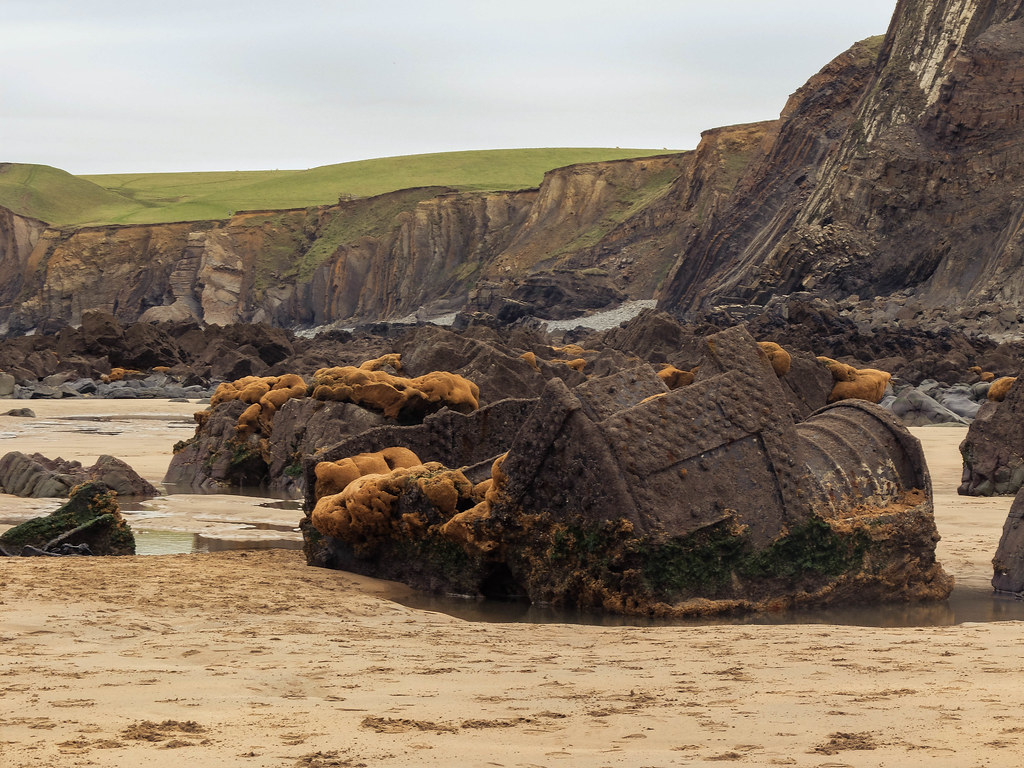
When students visit the Cornish coast, they can witness geographical features first-hand, study coastal processes, and explore the relationship between people and the natural environment. These experiences help students connect classroom theory with real-world examples.
The coastal setting also creates opportunities for discussions around sustainability, conservation, climate change, and marine biodiversity, all of which feature prominently within modern school curricula.
One of the strongest links between surfing activities and the curriculum is geography.
Students can observe erosion, transportation, and deposition processes along the coastline. They can identify different coastal landforms and examine how waves shape the environment over time.
Surfing itself provides a practical way to explore wave formation and coastal dynamics. Students can see the effects of tides, weather systems, and wind patterns while gaining a better understanding of the physical processes they study in class.
These real-life observations often help students retain knowledge more effectively than classroom-based learning alone.
The beach environment also offers excellent opportunities to support science education.
Students can investigate forces and motion by examining how waves are created and how surfboards move through the water. They can explore energy transfer, weather patterns, and the impact of environmental changes on coastal ecosystems.
Marine habitats provide valuable opportunities to discuss biodiversity, food chains, and ecological balance. Seeing these concepts in action helps students appreciate the importance of environmental stewardship and scientific understanding.
Experiencing science in a practical setting can spark curiosity and encourage students to ask questions, investigate ideas, and think critically.
Curriculum linked school trips are not limited to academic subjects. Physical education plays an important role in student development, and surfing is an excellent way to encourage active participation.
Surfing develops balance, coordination, agility, and overall fitness. It challenges students physically while remaining accessible to beginners and experienced participants alike.
Many students discover a new passion for physical activity through surfing. This can encourage healthier lifestyles and increase confidence in their own abilities.
The supportive environment also allows students to experience success outside the traditional classroom setting, helping them build self-esteem and resilience.
One of the greatest benefits of curriculum linked school trips is the opportunity to develop skills that extend beyond academic achievement.
Surfing encourages perseverance, problem-solving, communication, and teamwork. Students learn to manage challenges, support one another, and step outside their comfort zones.
These experiences contribute to personal development and can have a lasting impact on confidence and wellbeing.
Many teachers report that students return from outdoor learning experiences with improved motivation, stronger relationships with their peers, and a greater willingness to embrace new challenges.
Students are more likely to remember lessons when they are actively involved in the learning process. Curriculum-linked school trips provide opportunities for hands-on experiences that make education engaging, relevant, and enjoyable.
By combining adventure with educational value, schools can create memorable experiences that support learning outcomes while inspiring students to develop new skills and interests.
At Big Blue Surf School, we are passionate about helping schools deliver curriculum-linked school trips that combine education, physical activity, and personal development. Our experienced instructors provide safe, engaging sessions that allow students to learn, grow, and enjoy everything Cornwall's stunning coastline has to offer.
Whether you are planning a geography field trip, a PE enrichment day, or an outdoor learning experience that supports multiple curriculum areas, Cornwall provides the perfect setting for learning beyond the classroom.
Get in touch now to start planning your next school trip.