Surf Renting vs. Buying: What's Best for Your Surfing Journey?
Deciding whether to rent or buy a surfboard is a pivotal choice for any surfer, from day-one beginners to seasoned pros tracking down new breaks. Your decision will directly impact your wallet, your time in the water, and how fast you improve.
This guide tackles the pros and cons of both renting and buying so you can confidently choose the best path forward.
Why Surf Renting Might Be the Smart Choice
For many surfers, especially beginners, surf renting is the most sensible option. Here’s why it’s worth considering:
1. Affordable for Beginners
Surfboards can be a costly investment, particularly for high-performance or brand-new models. If you’re just starting out, renting lets you access a quality board without the hefty price tag.
2. Try Before You Buy
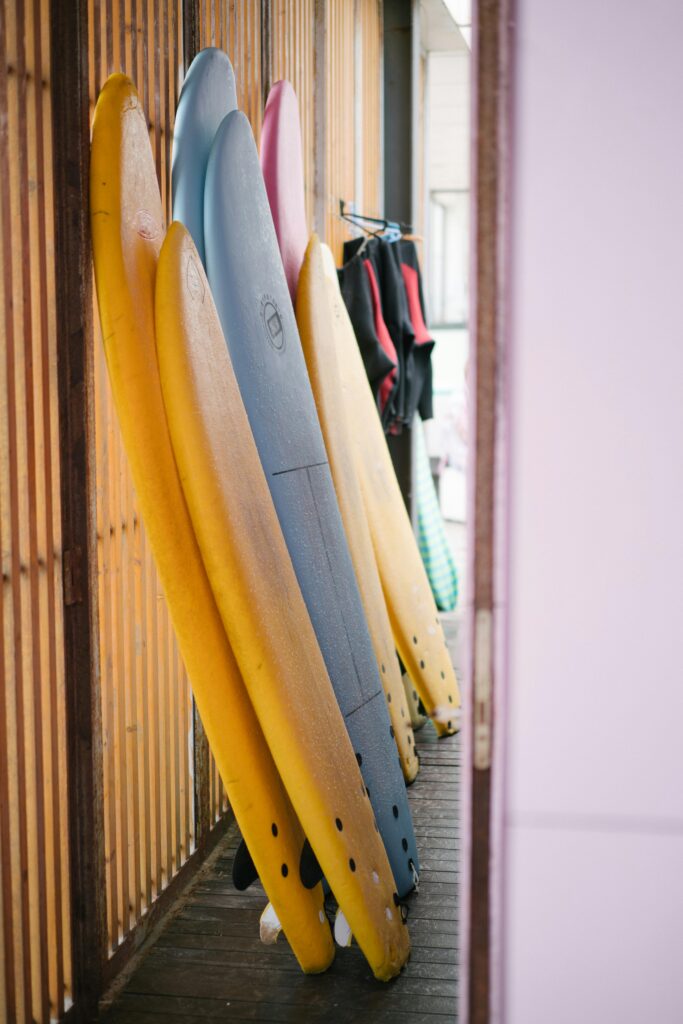
Surf renting gives you the chance to test different board types- longboards, shortboards, foamies- before committing to one. This flexibility is perfect for beginners who haven’t yet found their preferred style or size.
3. Travel-Friendly
Travelling with a surfboard can be expensive and inconvenient. With surf renting, you can travel light and rent a board that suits the local waves. For example, if you're visiting Widemouth Bay, you can easily rent a board from our friends at OA Surf Club.
4. No Maintenance Required
When you rent, there’s no need to worry about repairs, waxing, or storage. Simply grab your board, surf, and return it. It’s hassle-free and ideal for casual surfers or holidaymakers.
When Buying a Surfboard Makes Sense
While surf renting offers flexibility and ease, there are times when owning your own board becomes the better option:
1. Cheaper in the Long Run
If you’re surfing regularly, rental costs can add up quickly. Buying a surfboard might be more expensive at first, but it often pays off over time.
2. Customised to You
Your own board can be perfectly matched to your size, skill level, and goals. Unlike rentals, which are designed for general use, a personal board can help you progress faster and surf more comfortably.
3. Better Skill Development
Using the same board consistently helps you get used to how it handles. This consistency makes it easier to improve your skills compared to switching between different rentals.
4. More Freedom to Surf
With your own board, you can hit the waves whenever you like—no need to wait for a rental shop to open or worry about availability.
Questions to Help You Decide
Still unsure whether surf renting or buying is right for you? Ask yourself:
- How often do I surf?
If you’re only surfing on holiday or a few times a year, renting makes more sense. - Am I still learning?
Beginners benefit from trying different boards through surf rentals. More advanced surfers often want a specific board that suits their style. - Do I have storage space?
Surfboards take up space and need to be stored properly. If space is tight, renting is more practical. - Am I travelling a lot?
If you surf in different places, surf renting saves you the hassle of transporting your own board.
Surf Renting: A Flexible Middle Ground
Many surfers find a balance between the two. You might rent boards when travelling, but own one at home for your regular surf sessions. This way, you get both variety and consistency.
Final Thoughts
Ultimately, the decision to rent or buy a surfboard comes down to your lifestyle, experience level, and personal goals. Renting is the perfect move for beginners, travellers, and anyone who wants to test out different shapes. On the other hand, buying makes the most sense for regular surfers who are ready for a personalised, long-term setup.
Still not sure? Start with surf renting to get a feel for different boards. Once you find what works, you’ll be better equipped to invest in your perfect match.