Chasing Big Waves in Cornwall: A Surfer’s Dream

Cornwall has earned its reputation as the heart of British surfing, drawing wave lovers from across the UK. With long sandy beaches and dramatic, cliff-backed bays, the coastline offers something for every ability level. For surfers chasing a real rush, however, it is the big wave conditions that truly stand out. When powerful Atlantic swells arrive, Cornwall delivers challenging, heavy surf that tests confidence, strength, and skill. If you are ready to push your limits, Cornwall’s exposed coastline is an ideal place to begin your big wave adventure.

Why Cornwall is Known for Big Wave Surfing

Cornwall’s location on the south-west tip of the UK places it directly in the path of powerful Atlantic swell. Its rugged coastline offers a mix of beach breaks, reef breaks, and point breaks, all of which help build its reputation as a big wave destination. Unlike more sheltered areas, Cornwall’s exposed shores receive the full force of passing storms, creating heavy, fast-moving surf and true big wave conditions when the swell is right.

What adds to Cornwall’s appeal is its strong surf culture. The area is home to experienced coaches, well-established surf schools, and a supportive local community. This makes it an excellent place to develop your skills, build confidence, and work towards riding a big wave in a safe and encouraging environment.

Best Time to Surf Big Waves in Cornwall

If you are chasing the biggest waves, timing is crucial. Cornwall offers surf throughout the year, but the big wave season is at its best from autumn through to early spring. During this period, deep Atlantic low-pressure systems generate powerful swells that bring Cornwall’s most exposed surf spots to life.

Winter is the prime season for big wave surfing in Cornwall. Clean offshore winds, long-period swell, and dramatic coastal setups combine to create some of the most exciting conditions in the UK. Cold water is part of the challenge, so a thick wetsuit is essential, along with boots, gloves, and a hood, to stay warm and safe while tackling these powerful waves.

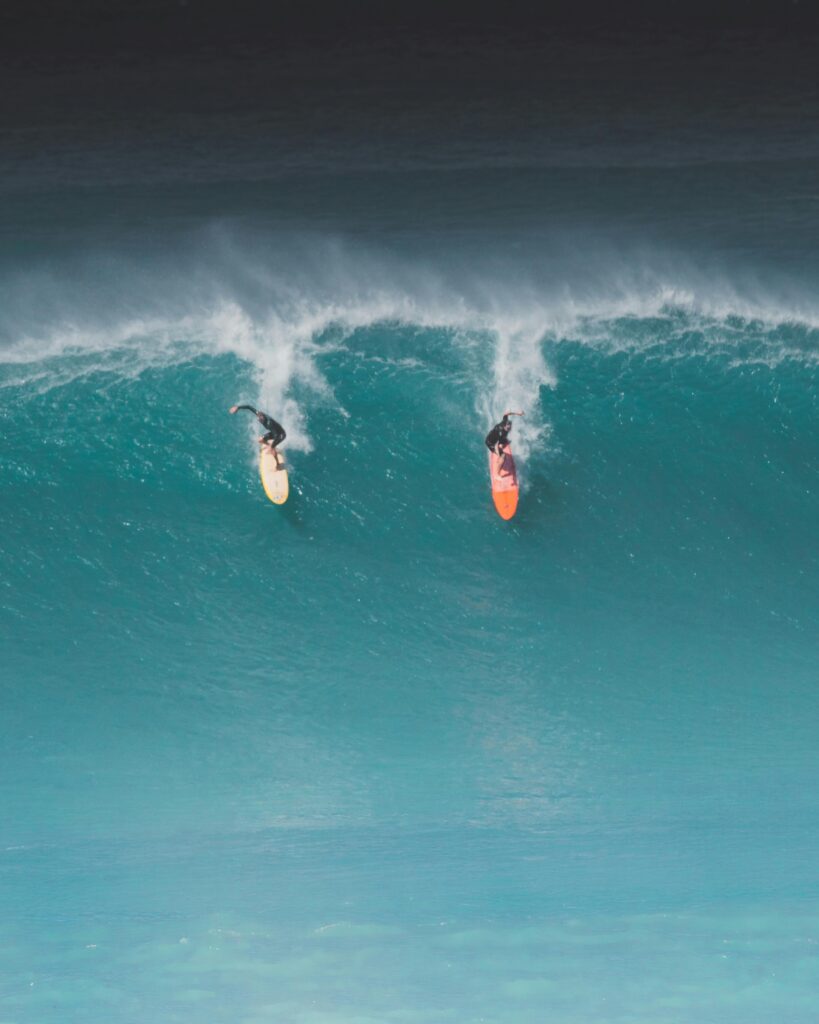
big wave. two surfers riding a large unbroken wave
Surfing big waves is for experienced surfers only.

Top Big Wave Surf Spots in Cornwall

Be aware surfing big waves is for advanced surfers only—never surf beyond your limits. Always prioritise safety and seek advice from experts like Big Blue before heading out.

The Cribbar – Newquay’s Legendary Big Wave

Known as the UK’s answer to Hawaii, The Cribbar is Cornwall’s most famous big wave spot. Located off the headland at Fistral Beach, this reef break produces waves that can reach up to 30 feet on the biggest swells. Reserved for only the most experienced surfers, The Cribbar demands skill, courage, and the right conditions to surf safely.

Porthleven – A Hollow and Powerful Reef Break

Situated on Cornwall’s south coast, Porthleven is home to one of the UK’s heaviest and most famous waves. When a solid swell rolls in, this powerful right-hand reef break creates fast, hollow waves that attract the best surfers in the country. Porthleven is not for the faint-hearted, but for those with the skill and experience, it offers one of the most thrilling rides in the UK.

Sennen Cove – A Consistent Atlantic Swell Magnet

For those looking to test themselves against powerful waves without the extreme danger of The Cribbar or Porthleven, Sennen Cove is an excellent option. With its west-facing beach, Sennen picks up a huge amount of Atlantic swell, producing long and powerful waves. It’s a fantastic place for intermediate and advanced surfers looking to push their limits.

Godrevy – A Hidden Big Wave Gem

Located near St Ives, Godrevy can produce sizeable and challenging waves when the right conditions align. With shifting sandbanks and strong currents, it requires local knowledge to surf safely, but when it’s working, it delivers some of the best big wave conditions in Cornwall.

Summerleaze Beach – Shelter in large swells

Bude offers a wealth of lesser-known big wave spots. However, if you need some shelter during those large swells head to Summerleaze Beach. The breakwater at Summerleaze offers protection from large waves at high tide. Head over to our base for a consistent place to surf.

Safety Tips for Surfing Big Waves

Chasing big waves is an incredible experience, but respecting the ocean and prioritising safety is essential. Here are a few key tips to keep in mind:

Know your limits – Big wave surfing isn’t for everyone. If you’re unsure, take lessons or surf with experienced friends before attempting larger waves.

Check the conditions – Always check surf forecasts, tide charts, and wind conditions before heading out.

Use the right equipment – A bigger board, such as a gun or step-up board, can help you paddle into larger waves more effectively.

Wear a suitable wetsuit – Cold water and long sessions demand a high-quality wetsuit, along with boots, gloves, and a hood in winter.

Respect the locals – Big wave spots can be highly competitive, so be mindful of surf etiquette and respect those who know the waves best.

Stay fit and strong – Big wave surfing requires excellent physical fitness. Regular training, including breath-holding exercises, can help prepare you for challenging conditions.

Take Your Surfing to the Next Level

If you’re inspired to take on Cornwall’s big waves but aren’t quite ready to paddle into The Cribbar just yet, why not sign up for a surf coaching session? Whether you’re looking to build confidence in bigger waves, improve your technique, or simply gain more experience, expert tuition can help you develop the skills you need to progress safely and successfully.

Cornwall’s surf scene is among the most exciting in the UK, with waves to suit every level of experience. For surfers drawn to big wave conditions, nothing compares to the rush of riding a powerful, towering swell. When the Atlantic delivers, Cornwall provides the energy and scale that big wave surfers seek. So grab your board, pull on your wetsuit, and get ready to feel the raw power of Cornwall’s coastline for yourself.

Big Wave Riding UK: Insights from Britain’s Boldest Breaks

When you think of big wave riding, images of towering walls of water in Hawaii, Portugal, or Australia may come to mind. However, the UK has its share of heavy hitters. Those rare but mighty surf breaks that test even the most experienced riders. Big Blue Surf School at Summerleaze Beach specialises in developing strong surfing foundations. We also love sharing our insights on the broader world of surfing. Including the thrill and challenge of big wave riding in the UK.

What Counts as a Big Wave?

Big wave surfing in the UK usually refers to riding waves about 10 feet (3 metres) or higher. These conditions don’t happen all the time, but when they do, the surf community really takes notice. Tackling waves of this size takes skill, fitness, and a huge amount of respect for the sea. For many surfers, chasing big waves isn’t just a hobby. It’s a way of life built on understanding the ocean, perfect timing, and full commitment.

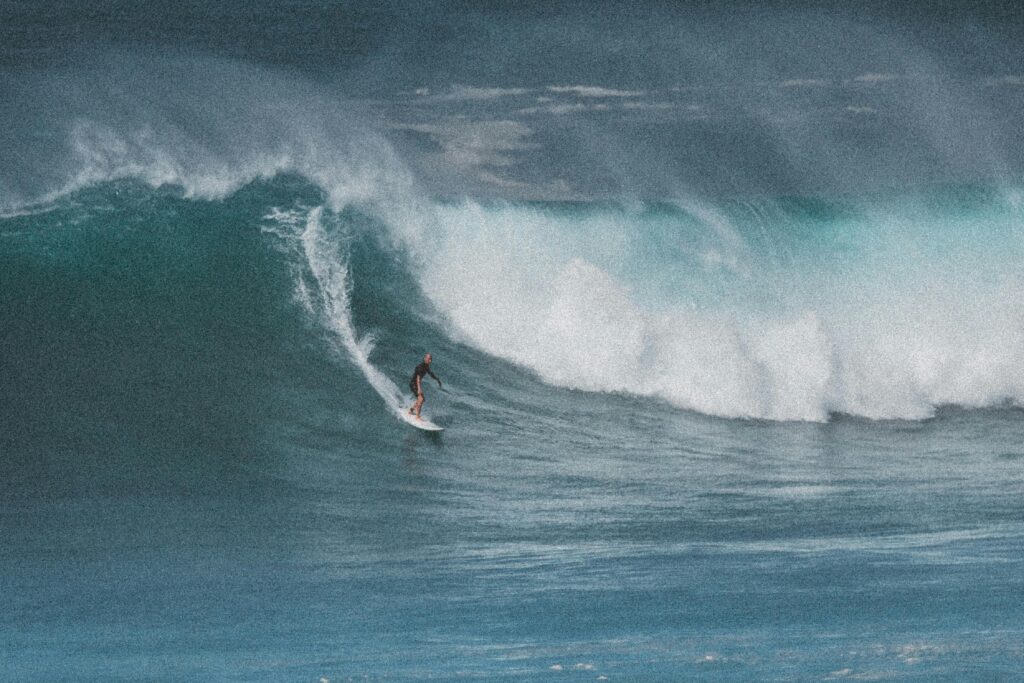
big wave riding. surfer rides a big unbroken wave

Where in the UK Can You Surf Big Waves?

The UK may not be a global hotspot for big wave riding. It boasts several breaks that come alive when the right swell rolls in. Here are some of the most talked-about big wave locations across the British coastline:

The Cribbar, Newquay, Cornwall

Known as the UK’s most famous big wave spot, the Cribbar sits just off the headland at Towan Head in Newquay. When the Atlantic delivers a solid swell, this reef break can produce waves of up to 30 feet. It’s a location for highly skilled surfers only, and its rarity makes it a true spectacle when it fires.

Porthleven, Cornwall

Further south, Porthleven is a powerful reef break that can hold serious size during the winter months. While it’s more commonly surfed in the 4–8 foot range. Larger swells can see this spot transform into a testing ground for big wave riding. It’s known for its heavy barrels and unforgiving take-offs.

Mullaghmore Head, County Sligo (Ireland)

Although not on the British mainland, Mullaghmore is a short hop across the Irish Sea and is regarded as one of Europe’s premier big wave destinations. This monstrous reef break regularly draws international big wave surfers and has hosted several tow-in sessions in waves exceeding 50 feet.

Thurso East, Scotland

Thurso East is more famous for its perfect barrels than sheer size. During certain swells, the northern coastline of Scotland can produce surprisingly powerful surf. The raw, cold energy of the North Atlantic adds a unique edge to big wave riding in these waters.

What Makes Big Wave Riding So Challenging?

Riding big waves isn’t simply about catching larger versions of the everyday surf. It demands an entirely different approach to preparation, mindset, and risk management. Key challenges include:

Surf School Perspectives: Building a Foundation

At Big Blue Surf School, we don’t offer big wave riding lessons. This is a specialised pursuit that goes well beyond the scope of typical surf instruction. However, we do believe that the principles we teach form the essential base for any aspiring big wave rider.

Learning how to read waves, follow surf etiquette, paddle efficiently, nail your pop-up, and stay confident in different conditions are all essential early steps. Most big wave surfers begin by building strong skills in smaller waves and then gradually move up as their experience, knowledge, and fitness improve.

The Culture of Big Wave Riding

Big wave surfing is more than just a physical challenge. It has its own culture and community. Surfers wait for those rare moments when the ocean and weather line up perfectly, and when they do, they share the experience with people who truly understand the risks and the excitement. Films, documentaries, and competitions have brought more attention to this side of surfing, but at its core, big wave riding is still a personal, grounding, and humbling experience.

Final Thoughts

Big wave riding in the UK may not be an everyday pursuit, but when the conditions align, Britain’s coastlines reveal their raw power and potential.

Whether you're new to surfing or well on your way, it’s always inspiring to look towards the heights of what’s possible. At Big Blue Surf School, we’re proud to help you take those early steps. Who knows where the journey might lead?

Big Wave Surfing Training: How to Build Strength and Stamina

Big wave surfing is one of the most demanding and exhilarating challenges in the sport. Whether your goal is to ride towering ocean giants or simply step up to larger, more powerful waves than you're used to, preparation is key. At Big Blue Surf, we help surfers of all abilities train for the physical and mental demands of big wave surfing.

It’s important to remember that "big" is a relative term—what feels intimidating to one surfer might feel manageable to another. Big wave surfing isn’t just about tackling 10-metre monsters; it’s about pushing beyond your comfort zone with the right mindset and physical preparation.

Why Strength and Stamina Are Crucial for Big Wave Surfing

Big wave surfing requires more than just bravery. It demands explosive paddling, solid core control, and the endurance to recover from long hold-downs and heavy wipeouts. Powerful waves test your limits, and without proper training, fatigue can quickly lead to poor decisions or injury in the water.

The good news? You can train your body to meet the demands of big wave surfing. With the right strength-building routines and stamina-focused exercises, you'll boost your confidence and capability when it matters most—out in the lineup.

Essential Strength Training for Big Wave Surfing

Strength training is crucial for surfers as it helps improve paddling power, balance, and overall resilience. Here are some of the best exercises to incorporate into your routine:

1. Paddle Strength: Resistance Training and Swimming

2. Core Stability: Planks and Rotational Exercises

3. Leg Power: Squats and Plyometrics

4. Breath Control: Apnoea Training

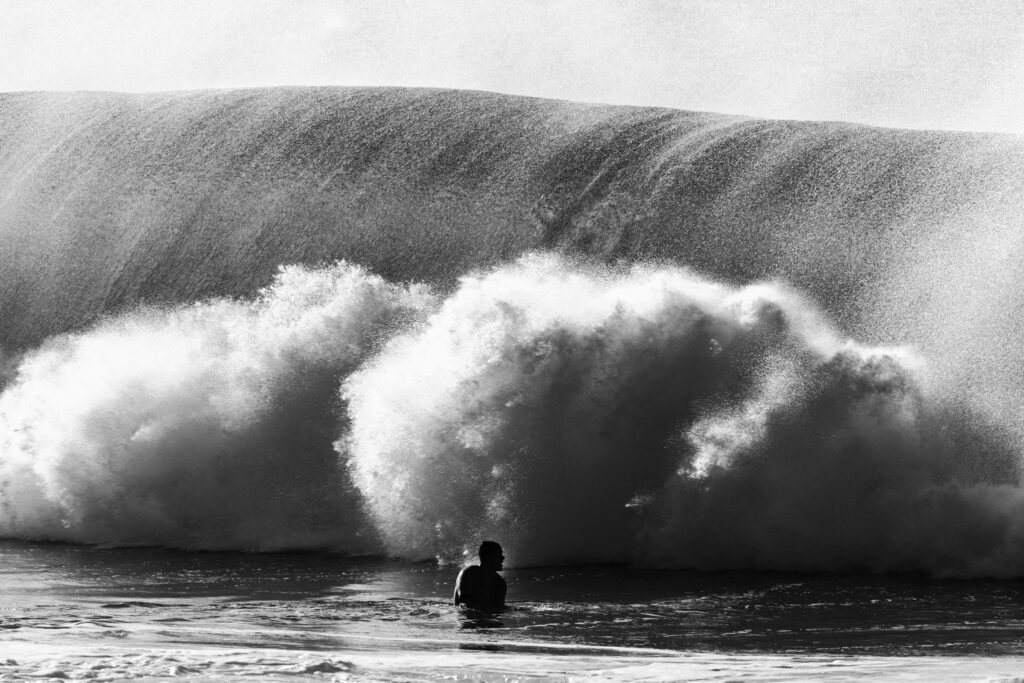
big wave surfing. Black and white photo of a big waves crashing as a man duck under it.
Training is important.

Stamina Training for Big Wave Surfing

Endurance is key to lasting longer in the water. Here’s how you can build the stamina needed for big wave surfing:

1. Cardiovascular Fitness: Running and Cycling

2. Ocean-Specific Drills: Duck Diving and Sprint Paddling

3. Yoga and Flexibility Training

Training Tips from a UK Surf School

At our UK-based surf school, we help surfers of all levels build the necessary skills to take on bigger waves. Here are a few extra tips to help you train effectively:

Conclusion

Big wave surfing takes more than physical strength—it’s a full-body, full-mind commitment. To surf bigger waves confidently, you need stamina, breath control, and mental focus, alongside solid technical skills. With the right training routine, you can build the resilience and fitness required to handle challenging surf conditions.

At Big Blue Surf, we’re here to support every step of your journey into big wave surfing. Whether you’re just starting to push your limits or aiming to tackle serious swells, our expert coaching and tailored sessions will help you develop the strength, confidence, and technique to ride bigger waves with purpose..