The Best Place for Surfing in the UK? Discover Cornwall’s Surf Scene
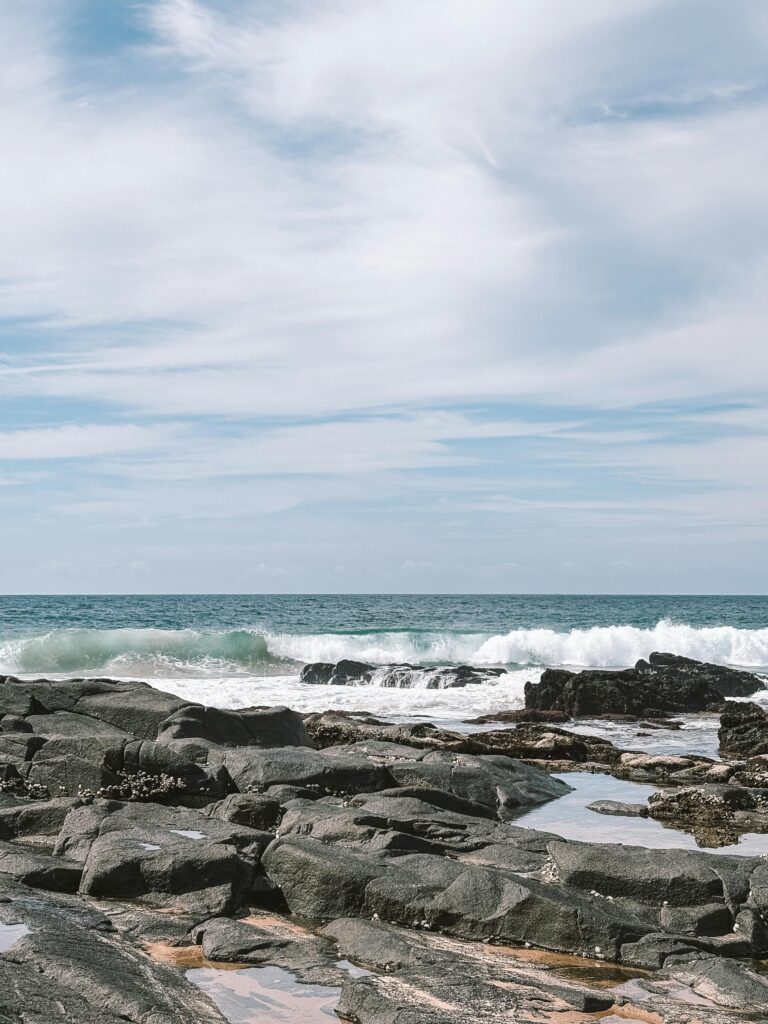
When it comes to finding the best surfing in the UK, Cornwall is hard to beat. With its rugged coastline, reliable Atlantic swell and thriving surf culture, it offers something for everyone, from complete beginners catching their first waves to experienced surfers looking for a challenge. Add in stunning scenery and miles of beautiful beaches, and it’s easy to see why Cornwall remains one of the UK’s top surfing destinations.
At the heart of this surf scene is Summerleaze Beach in Bude. With its expansive sandy beach, consistent waves and friendly atmosphere, Summerleaze is a fantastic place to enjoy the Cornish surf. Whether you’re learning to stand up for the first time or looking for your next great session, it has all the ingredients for an unforgettable day in the water.
Why Cornwall Is the Best Place for Surfing in the UK
Cornwall’s Atlantic-facing coastline makes it one of the best places for surfing in the UK. The county benefits from powerful Atlantic swells, bringing reliable waves for much of the year. Add stunning sandy beaches, lively surf towns and a relaxed coastal lifestyle, and it’s easy to see why Cornwall is so popular with surfers of all ages and abilities.
Among Cornwall’s many beaches, Summerleaze Beach in Bude is a real highlight. Just a short stroll from the town centre, it combines easy access with consistent waves, creating the perfect setting for beginners learning the ropes and more experienced surfers looking to fine-tune their skills.
What Makes Summerleaze Beach Special?
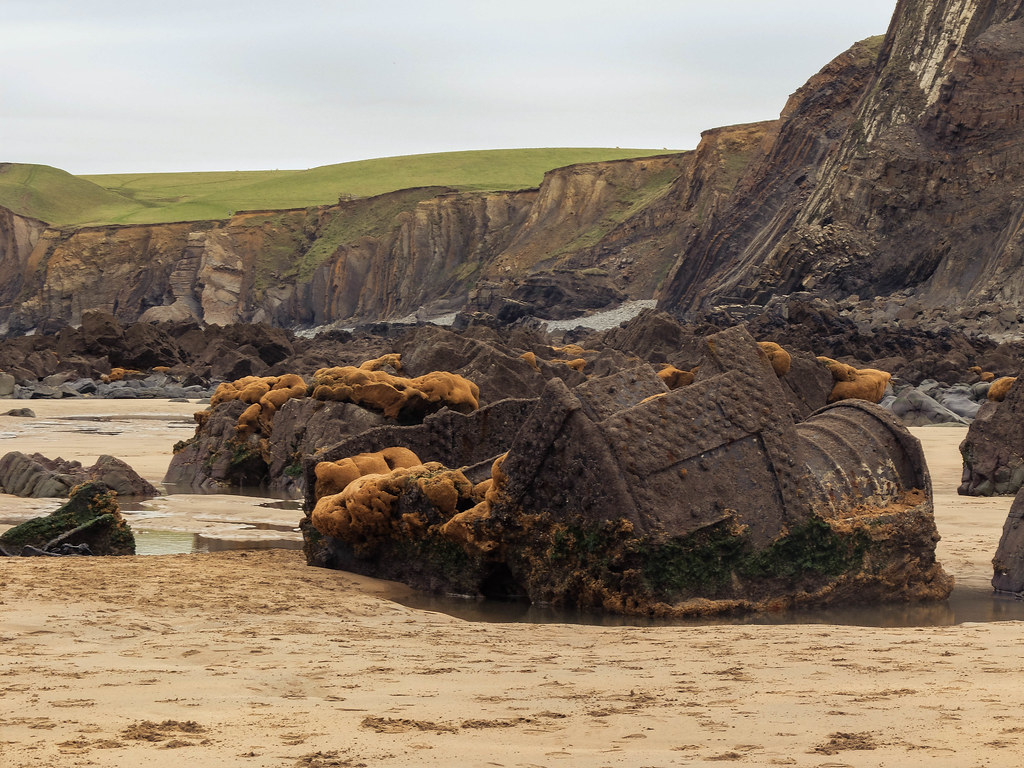
Unlike some of the more crowded beaches further south, Summerleaze offers plenty of space—both in and out of the water. The sandy beach is backed by dunes and dramatic cliffs, offering stunning views as you ride the waves. Plus, the iconic Bude Sea Pool, a semi-natural tidal pool carved into the rocks, offers a safe and scenic spot to swim or cool down after a surf session.
The beach is patrolled by lifeguards during the main season, adding an extra layer of safety—particularly important for beginners and families. There are also excellent facilities nearby, including toilets, parking, and beachside cafés.
Learn to Surf at the Best Place for Surfing in the UK
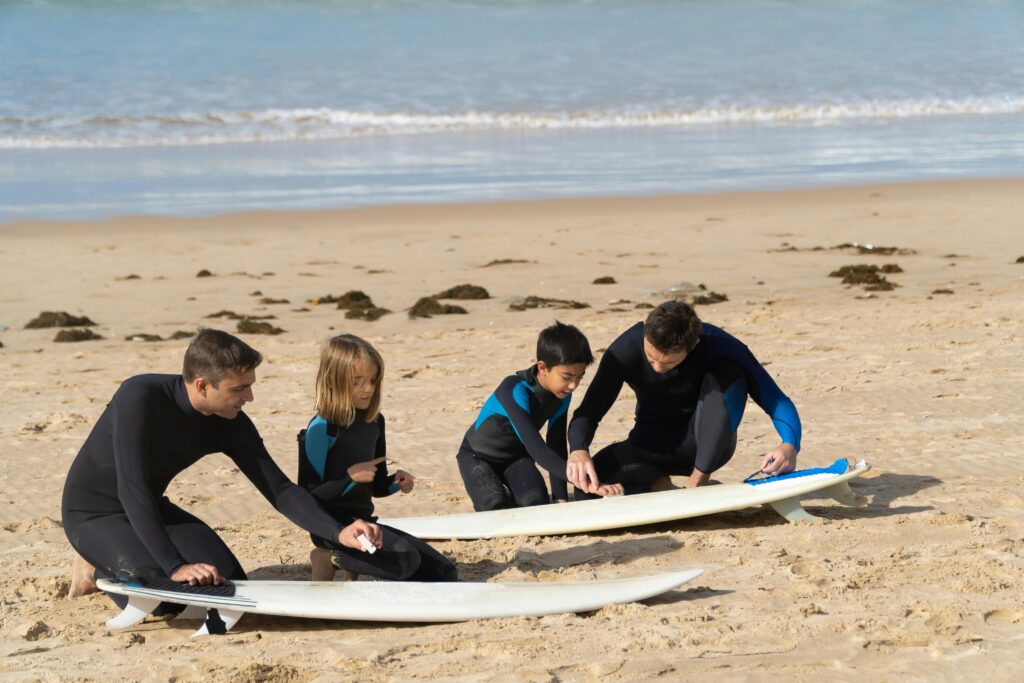
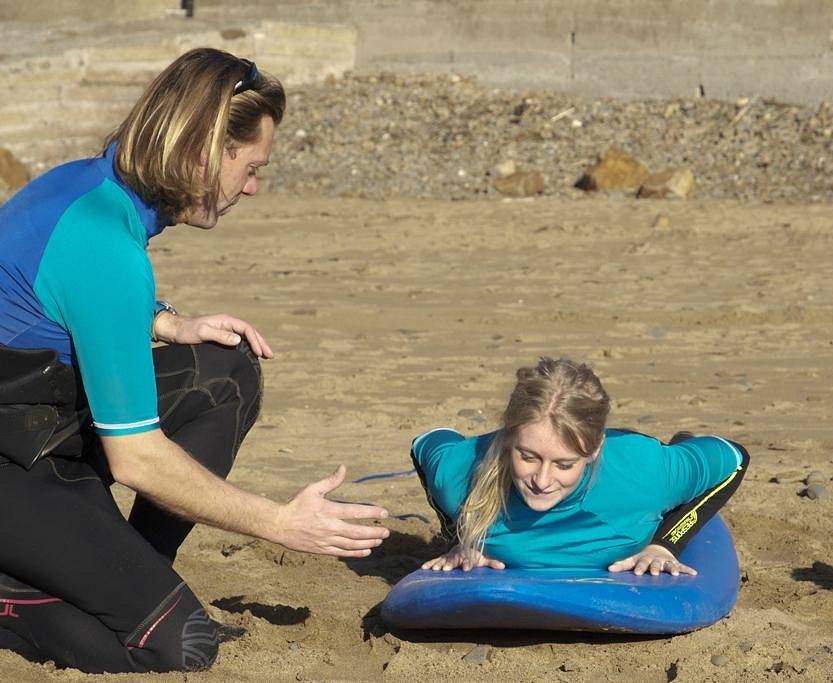
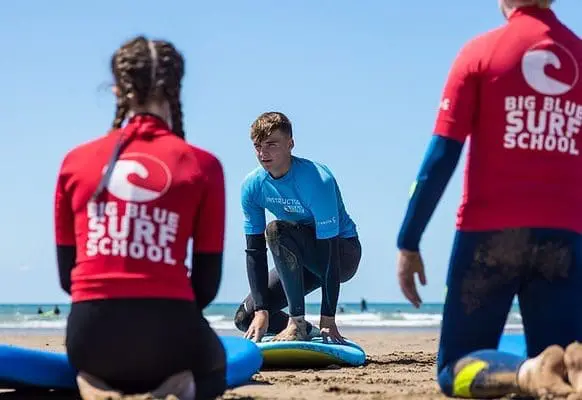
If you’re new to surfing or want to boost your confidence, booking a lesson with a local surf school at Summerleaze Beach is the perfect way to start. Our experienced instructors at Big Blue Surf are all fully qualified and passionate about helping people fall in love with surfing—safely and confidently.
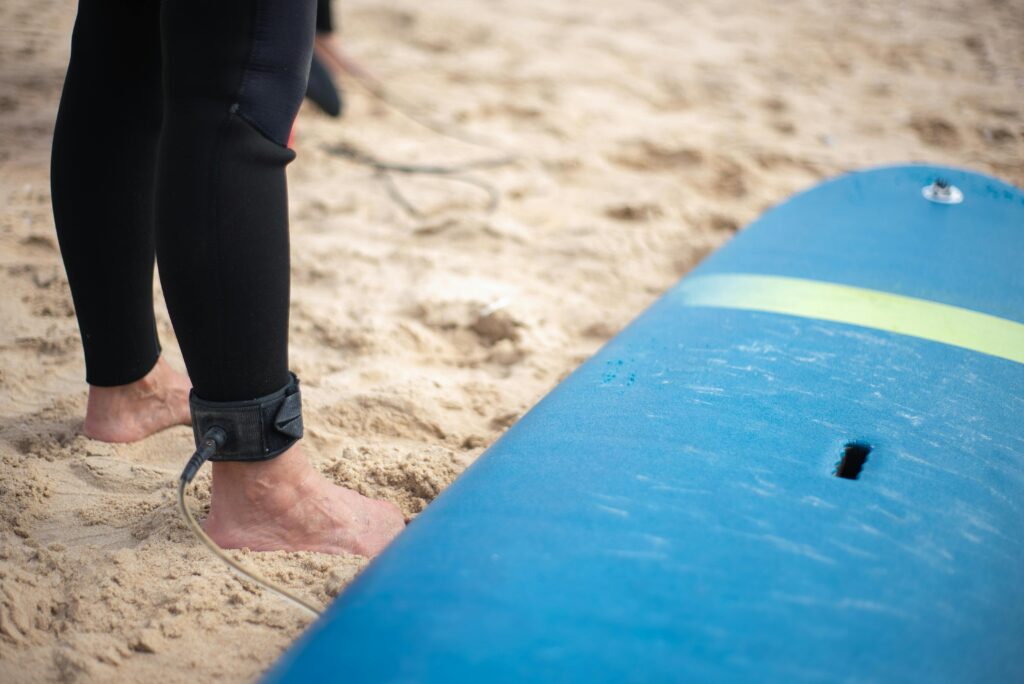
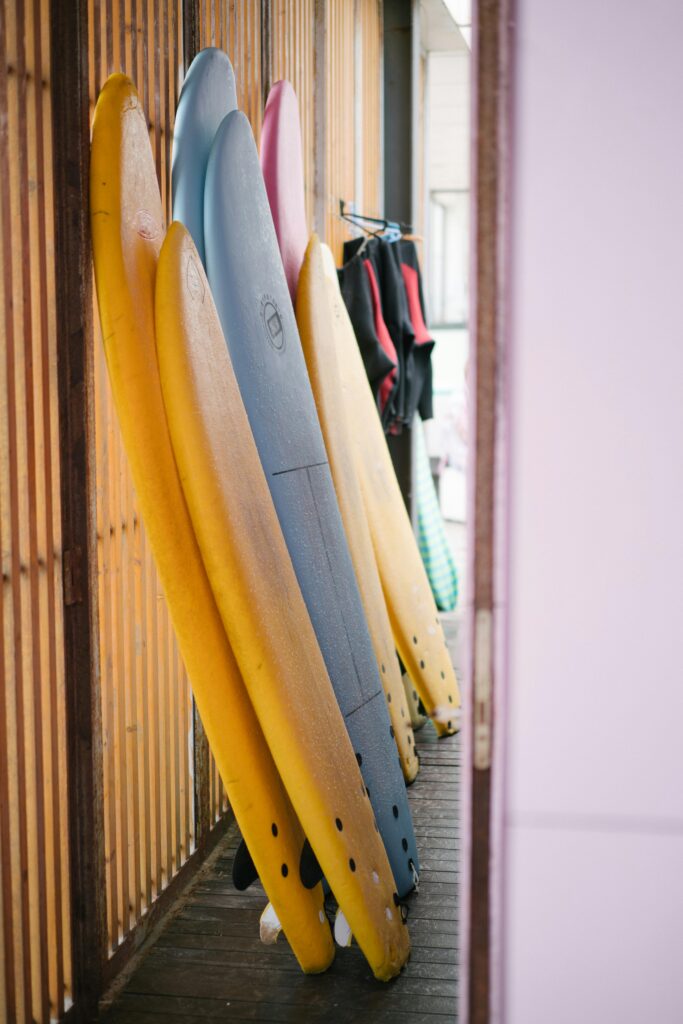
We cater for all levels and ages, from complete beginners to those looking to progress to the next level. Group lessons, private coaching, and kids’ sessions are all available. And of course, we provide all the equipment you need, including wetsuits and soft-top boards.
We also have a sister surf school, OA Surf Club, located just down the coast at Widemouth Bay—another stunning surf spot known for its consistent waves and relaxed atmosphere. Between the two locations, you're always in the right place to catch the best waves in Cornwall.
Surfing All Year Round
One of the things that makes Cornwall one of the best places for surfing in the UK is its year-round appeal. Summer brings longer days, warmer water and ideal conditions for combining a surf with a day at the beach. In spring and autumn, the swell can be excellent, while quieter beaches make for a more relaxed experience.
Winter is a different experience altogether, with bigger swells and powerful waves attracting dedicated surfers from across the country. With the right wetsuit and a warm drink waiting afterwards, there’s no reason not to enjoy Cornwall’s waves in every season.
More Than Just Surfing
Cornwall isn’t just about waves. When you’re not in the water, you can explore picturesque coastal paths, enjoy delicious local food, and soak up the relaxed, welcoming atmosphere that makes this region so special.
In Bude, you’ll find independent shops, surf-inspired cafés, and family-friendly attractions, all just a stone’s throw from Summerleaze Beach. It’s no wonder many people return year after year.
Ready to Catch Your First Wave?
If you’re asking yourself where the best place for surfing in UK might be, the answer is simple: Cornwall. And at the heart of it all, Summerleaze Beach in Bude delivers everything a surfer could want—consistent waves, a welcoming atmosphere, and stunning coastal scenery.
Whether you’re taking your very first lesson, boosting your skills, or just looking for a fun day at the beach, our surf school is here to guide you every step of the way. Book your session today and see for yourself why so many people call Cornwall the home of British surfing.
Book your session now and start your journey at the best place for surfing in the UK: Cornwall’s Summerleaze Beach. Let’s ride the waves together!